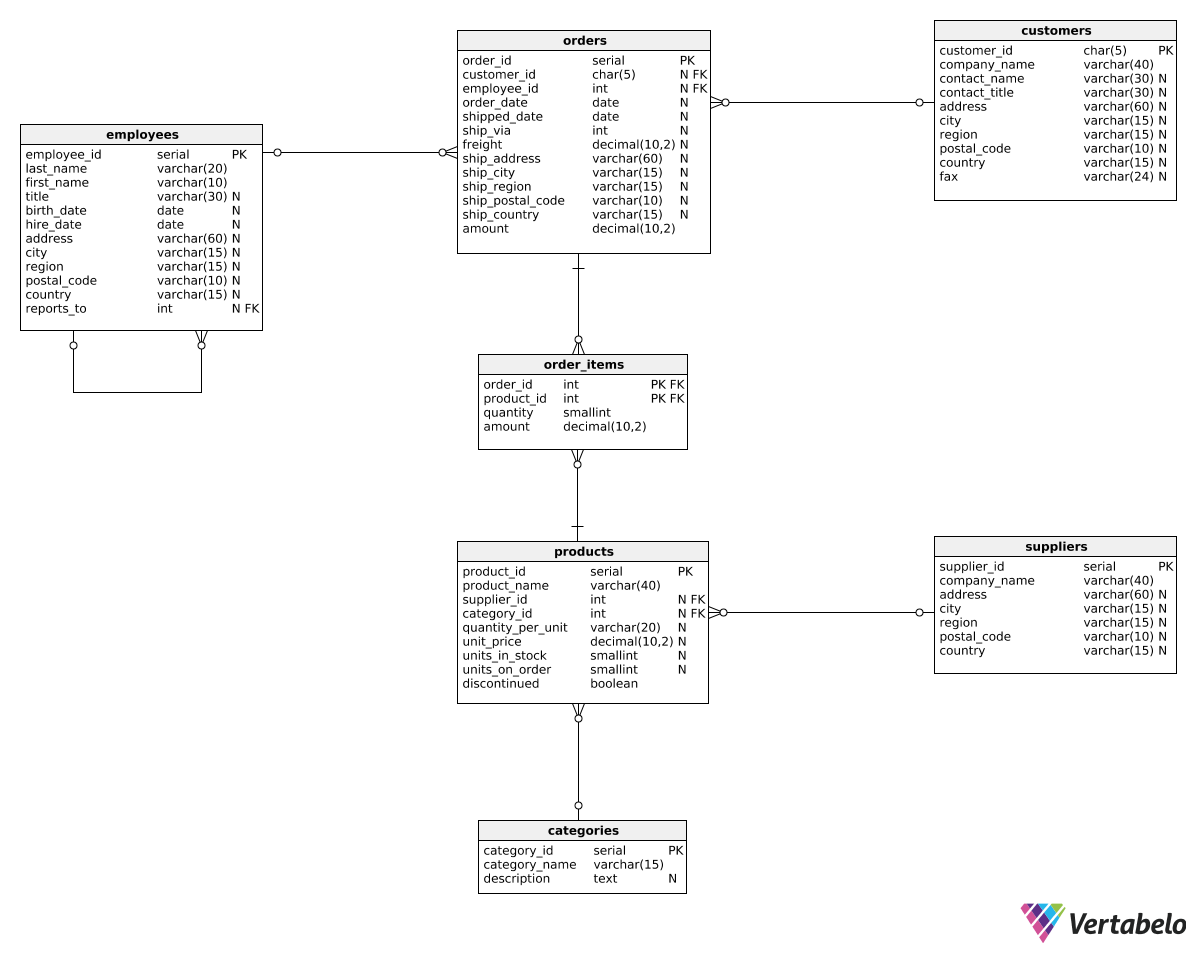
Instruction
Good job! Now, let's say we want to compare revenue changes month by month. We can pick a single year and show the revenue for each month. Check it out:
SELECT
  EXTRACT(month FROM order_date) AS month_in_2016,
  SUM(amount) AS total_revenue
FROM orders
WHERE order_date >= '2016-01-01' AND order_date < '2017-01-01'
GROUP BY EXTRACT(month FROM order_date)
ORDER BY EXTRACT(month FROM order_date);
The result looks like this:
| month_in_2016 | total_revenue |
|---|---|
| ... | ... |
| 8 | 25485.28 |
| 9 | 26381.40 |
| 10 | 37515.73 |
| ... | ... |
To extract the months, we used EXTRACT(month FROM order_date) instead of EXTRACT(year FROM order_date). Note two things:
- months are shown as integers from 1 to 12.
- months don't contain any information about the year, so we typically pick a single year using
WHERE(as we did in the above example.) If you don't useWHEREto select the year, you'd get monthly revenue values summed across all years. In other words, the January revenue would show the sum of January 2016, January 2017, and January 2018.
Exercise
We can also use EXTRACT() to get quarterly info, which is frequently used in financial analyses. The statement below ...
EXTRACT(quarter FROM date) = 1
... signifies the period from January through March. The following statement:
EXTRACT(quarter FROM date) = 2
... signifies the period from April through June. And so on for the other two quarters.
Show the total revenue from each quarter of 2017. Show two columns: quarter_in_2017 and total_revenue.
Order the rows by quarter.
Stuck? Here's a hint!
Use the word quarter as the first argument of the EXTRACT() function.